
If you are interested in joining, please contact us at info@curecadasil.org to learn more.

Chris Hopkins, PhD, MBA is a biochemist/geneticist turned entrepreneur specializing in the creation of humanized animal models for rare disease biology discovery. Chris has a track record of translational success as an awardee of multiple Small Business Innovation Research grants. He is passionate about working with rare disease groups to help them progress their therapeutic programs quickly.
He helped establish the CADASIL Disease Modeling Group (CDMG), developing models, finding biomarkers, and testing therapeutic approaches to treat and prevent the symptoms caused by dysfunction in the extracellular domain of NOTCH3. The CDMG brings together leading vascular biology researchers to deploy omics technologies, obtain CADASIL-related grant funding, train and build a collaborative research community, and create model systems so biomarker conservation can be assessed and high-throughput drug screens performed.

Thomas Caulfield, PhD is the Founder and CEO of Digital Ether Computing, an innovative biotechnology firm specializing in AI-driven drug discovery and functional genomics, with a strategic focus on developing groundbreaking therapeutics for complex diseases including neurodegeneration and cancer. He previously served as Senior Associate Consultant and Associate Professor at Mayo Clinic, where he established a multidisciplinary research program combining computational chemistry, biochemistry, biophysics, and advanced in silico drug modeling.
Dr. Caulfield's pioneering work integrates structural biology, generative AI, quantum-inspired simulations, and dynamic modeling to explore critical biological targets at an atomic level. His teams have advanced numerous novel therapeutic agents including small molecules, molecular glues, engineered proteins, exotic peptides, RNA therapeutics, and advanced nano-molecular interactors like PROTACs and Nexomorphs. He holds a PhD in Chemistry from Georgia Tech and has authored over 115 peer-reviewed publications and 65 patents.

Clement Y. Chow, PhD is a professor in the Department of Human Genetics at the University of Utah School of Medicine. His lab is focused on developing precision medicine approaches for rare diseases by identifying modifier genes that can be targeted for therapeutic development, and performing drug repurposing screens for a number of different rare diseases.
His research employs quantitative and functional tools in a variety of model organisms to understand how genetic background contributes to disease outcomes, and how we might take advantage of these differences to develop individualized therapies.

Sandra Talbird, MSPH served as a member of the cureCADASIL Board of Trustees for ten years (2016–2025). She is currently Executive Director, Health Economics, at RTI International, where she designs and programs decision-analytic economic models including cost-effectiveness, cost-utility, cost-benefit, and budget-impact models. She also develops mathematical models including compartmental dynamic transmission models for infectious diseases.
She has extensive experience generating real-world evidence for economic models through retrospective analyses of patient registry data, medical chart review studies, and clinical trial data. Her research has been presented at various professional conferences and published in peer-reviewed journals including AIDS, HIV Medicine, Pediatrics, Pharmacoeconomics, American Journal of Preventive Medicine, Value in Health, and Vaccine.

Fanny Elahi, MD, PhD is a physician-scientist and Assistant Professor in the Departments of Neurology, Neuroscience, and Pathology at the Icahn School of Medicine at Mount Sinai in New York City. Her work focuses on examining the link between disease of the brain's small blood vessels and neurodegeneration, and she is passionate about translating laboratory discoveries into clinical applications.
In 2020, cureCADASIL and Dr. Elahi worked to form the CADASIL Disease Modeling Group (CDMG) — a collaborative group of investigators with the goal to share knowledge and resources to move forward drug discovery for CADASIL. For more information, visit vascbrain.com.

Graeme Fielder, PhD is Chief Operating Officer at Avidobio. He received his PhD in Molecular Medicine at the Liggins Institute, University of Auckland, New Zealand and his MBA at Stanford University Graduate School of Business.
After roles at BioMarin Pharmaceutical, Inc. and Astellas Gene Therapies, Inc. (Audentes Therapeutics), he joined Avidobio as a founding team member in 2020. Avidobio's current portfolio includes ALS and Frontotemporal dementia (FTD) gene therapies focused on targeted and precise drug delivery and dosing for maximal biodistribution to the brain and spinal cord with a favorable safety profile.

Anne Joutel, MD, PhD is a clinician-scientist trained in Neurology and Neurogenetics. She is currently a Research Director at the French National Institute of Health and Medical Research (Inserm) and leads a research group at the Institute of Psychiatry and Neurosciences of Paris, France. Her research focuses on understanding the mechanisms underlying cerebral small vessel disease (cSVD).
Dr. Joutel has a longstanding research focus on CADASIL — the most common monogenic form of cSVD. Her laboratory has made seminal contributions including the identification of NOTCH3 as the causative gene, the development of innovative mouse models, and the elucidation of NOTCH3's role in vascular physiology and disease mechanisms. She demonstrated the preclinical efficacy of passive immunization targeting NOTCH3, and was awarded the Brain Prize by the Lundbeck Foundation in 2019.
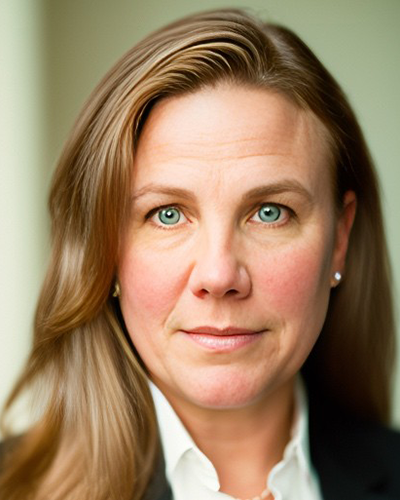
Michelle McGuinness is a biopharmaceutical leader with expertise in the quality, regulatory, and compliance aspects of pharmaceutical manufacturing and marketing. She is a member of the Regulatory Affairs Professional Society and the American Society for Quality.
Michelle understands both the scientific aspects of CADASIL and the profound impact a rare disease has on a family — her father had CADASIL. She is deeply committed to advocacy, awareness, and finding a cure for CADASIL.

Hugues Chabriat is a tenured professor of neurology at Université Paris VII – Denis Diderot and Head of the Department of Neurology at AP-HP – Hôpital Lariboisière in Paris, France. He has long studied small vessel disease of the brain, with particular expertise in CADASIL, neuroimaging, and the relationship between brain lesions and cognitive deficits.
Dr. Chabriat has pioneered the use of diffusion tensor imaging for assessing cerebral lesions in CADASIL and SVD, and has assembled and conducted a refined phenotypic analysis of the largest cohort of CADASIL patients to date. He continues to develop functional MRI approaches in CADASIL patients to better understand disease mechanisms and inform future treatments.
Learn More →